Source Sterile Nylon Mesh Cell Strainer for Lab Research
Find and compare 30 sterile nylon mesh cell strainer options from verified Chinese manufacturers. Evaluate specifications like 40um, 70um, and 100um pore sizes, gamma radiation sterilization, and packaging details to select the right cell filters for your laboratory needs; compare the available evidence and request quotations based on your requirements.
Key considerations
Products List





Comprehensive Sourcing Guide
Sterile Nylon Mesh Cell Strainer Sourcing Guide
Procurement teams must first distinguish between general laboratory consumables and specialized sterile filtration devices when evaluating market listings. The observed product range includes items explicitly labeled as disposable, gamma radiation sterilized, and non-pyrogenic, which are critical attributes for cell isolation workflows. Buyers should verify that the listed "Strong Nylon Mesh" material aligns with the specific pore size requirements of their tissue samples, as the data indicates available models ranging from 40 to 100 micrometers.
Commercial listings often present conflicting packaging units, such as individual bags versus bulk cases of one hundred pieces, which directly impacts inventory management strategies. Sourcing decisions must account for the fact that some suppliers offer OEM customization while others sell standard single items, requiring a clear definition of volume needs before engaging with vendors. The presence of multiple origin locations, including Jiangsu and Zhejiang provinces, suggests a competitive market where buyers should compare lead times and shipping logistics rather than relying solely on unit price.
Product Scope and Observed Listing Signals
Buyers should prioritize products that explicitly state "Gamma Radiation Sterilized" or "Sterile" to ensure compliance with aseptic processing requirements for sensitive biological samples. The observed listings confirm that these strainers are designed for single-use applications, eliminating cross-contamination risks associated with reusable filtration equipment. It is essential to confirm that the "Non-Pyrogenic" attribute is verified, as this characteristic is mandatory for procedures involving cell culture or in vivo applications where endotoxin levels must be strictly controlled.
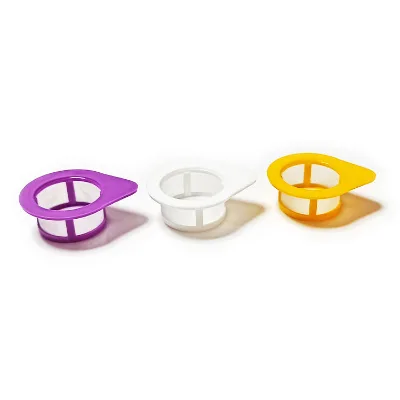
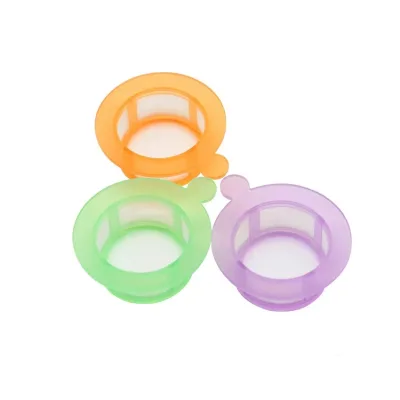
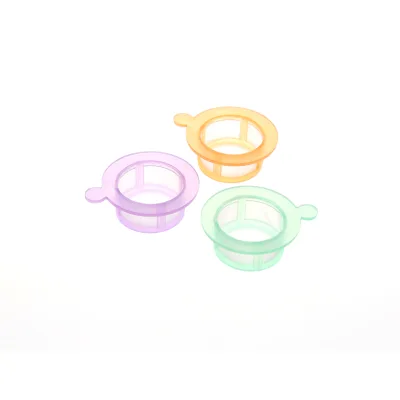
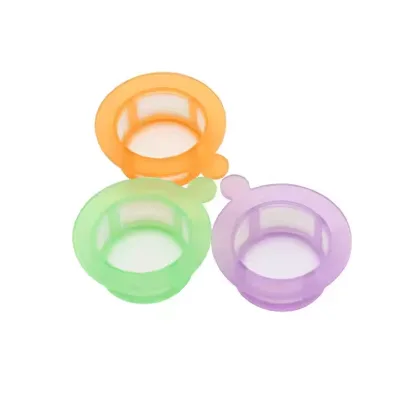
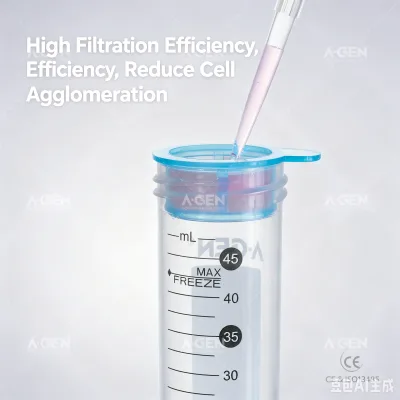
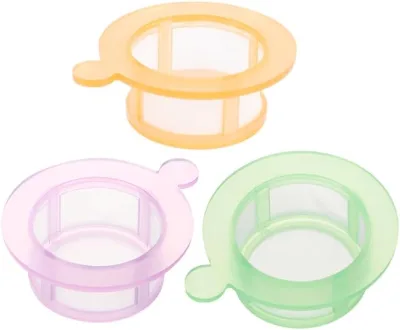
The market data reveals a variety of color options, including purple, orange, and green, which can be leveraged for visual differentiation in high-throughput laboratory environments. However, procurement teams must not assume that all listed colors correspond to specific pore sizes without verifying the technical specification sheet for each SKU. The availability of models compatible with 50 ml centrifuge tubes indicates a specific design intent for standard laboratory workflows, but buyers must confirm the diameter, typically 70mm, matches their existing tube inventory to prevent mechanical failure during filtration.
Technical Specifications to Verify
Verification of pore size accuracy is the primary technical requirement, as the observed specifications list distinct models for 40, 70, and 100 micrometers. Buyers must ensure that the selected strainer mesh density corresponds to the intended cell retention or debris removal goals, as a mismatch can lead to sample loss or clogging. The material composition is frequently cited as a blend of Nylon and PP or pure Plastic, and the mechanical strength of the mesh must be sufficient to withstand the pressure of centrifugation without tearing or deforming.
Dimensional consistency is another critical factor, with listings specifying a standard diameter of 70mm for compatibility with common laboratory vessels. Procurement teams should request detailed drawings or physical samples to confirm that the mesh aperture is uniform across the entire surface area, as variations can compromise filtration efficiency. Additionally, the structural integrity of the strainer frame must be validated to ensure it fits securely within the centrifuge tube without slipping, which is a common failure point in lower-quality manufacturing runs.
Compliance and Safety Documentation
Regulatory compliance is a non-negotiable aspect of sourcing sterile medical devices, and buyers must demand evidence of CE and ISO certifications for all potential suppliers. The observed product data references standards such as ISO and CE, but procurement teams should verify that these certifications are current and applicable to the specific product model being purchased. It is also prudent to check for FDA registration if the strainers are intended for use in clinical trials or regulated medical procedures, as this adds a layer of assurance regarding manufacturing quality control.
Safety documentation must explicitly confirm the sterilization method, with gamma radiation being the most common and reliable technique observed in the market. Buyers should require a Certificate of Sterility and a Certificate of Non-Pyrogenicity for every batch delivered, ensuring that the product meets the stringent safety requirements for cell handling. The absence of these documents should be treated as a critical red flag, as it indicates a potential risk of contamination that could invalidate experimental results or compromise patient safety in clinical settings.
Cost Drivers and Commercial Terms
The unit price of sterile nylon mesh cell strainers is influenced by the complexity of the sterilization process and the precision of the mesh manufacturing. Listings show a wide price range, suggesting that factors such as packaging density, customization levels, and order volume significantly impact the final cost. Buyers should analyze the total cost of ownership, including shipping and handling, rather than focusing solely on the per-unit price, as bulk orders often yield better economies of scale but require higher upfront capital.
Minimum Order Quantities (MOQ) vary widely, with some suppliers requiring as few as two units while others mandate orders of up to 5000 pieces. Procurement strategies must align with the organization's consumption rate to avoid excessive inventory costs or stockouts. It is advisable to negotiate flexible terms that allow for smaller initial orders to test product quality before committing to large-scale purchases, especially when dealing with new suppliers or unverified product lines.
Supplier Qualification and Quality Control
Supplier qualification should begin with a thorough review of their manufacturing location and facility capabilities, as the data indicates origins in Jiangsu and Zhejiang provinces. Buyers must assess whether the supplier has a dedicated quality control department that performs routine testing on mesh integrity and sterility assurance levels. The presence of OEM support suggests that the supplier has the flexibility to adapt production lines, but this capability must be balanced with a proven track record of maintaining consistent quality standards across different batches.
Quality control protocols should include random sampling and destructive testing to verify that the nylon mesh does not degrade under standard laboratory conditions. Procurement teams should request a copy of the supplier's quality manual and audit reports to ensure that their internal processes align with international standards. It is also critical to verify that the supplier maintains a robust traceability system, allowing for the identification of specific production batches in the event of a quality issue or recall.
Long-Term Procurement Checks
Establishing a long-term partnership requires regular performance reviews that focus on consistency, delivery reliability, and responsiveness to quality concerns. Buyers should implement a system for tracking defect rates and return rates over time to identify any degradation in product quality or supplier performance. Regular audits of the supplier's facility and quality management system are essential to ensure that they continue to meet the evolving regulatory and operational requirements of the laboratory.
Sustainability and supply chain resilience are increasingly important factors in long-term procurement strategies, particularly for critical consumables like sterile cell strainers. Buyers should evaluate the supplier's ability to maintain inventory levels during market disruptions and their commitment to sustainable manufacturing practices. Developing a diversified supplier base can mitigate the risk of supply chain interruptions, ensuring that laboratory operations continue smoothly even when primary sources face challenges.
FAQs
What mesh sizes are available for sterile nylon cell strainers?
The available mesh sizes are 40um, 70um, and 100um. These specifications allow for precise cell separation based on particle size requirements. The strainers are designed to fit standard 50ml centrifuge tubes, ensuring compatibility with common laboratory workflows. Each size is individually packaged to maintain sterility and prevent cross-contamination during use.
Are the nylon mesh cell strainers sterile and non-pyrogenic?
Yes, the strainers are gamma radiation sterilized and non-pyrogenic. This ensures they are safe for sensitive cell culture applications without introducing contaminants. The sterile barrier packaging maintains this status until opened. Users can rely on these attributes for high-purity biological processing without additional sterilization steps, saving time and reducing experimental variability.
Which certifications do the cell strainer manufacturers hold?
Manufacturers typically hold ISO and CE certifications for these products. Some listings also reference FDA compliance standards. These certifications indicate adherence to quality management systems and safety regulations. Buyers should verify specific documentation with suppliers to ensure the products meet their regional regulatory requirements for medical or laboratory device usage.
Can I customize the packaging for bulk orders of cell strainers?
OEM customization is available for bulk orders. Suppliers offer flexible packaging options, such as individual bags or carton quantities. This allows buyers to tailor the presentation to their internal logistics or branding needs. Minimum order quantities may apply for customized packaging, so discussing specific requirements with the manufacturer is recommended to ensure feasibility.
What is the typical minimum order quantity for these strainers?
The minimum order quantity ranges from 2 to 5000 pieces depending on the supplier. Some vendors require higher MOQs for customized packaging or specific model numbers. Buyers seeking smaller quantities may find suitable options from distributors or suppliers with lower entry thresholds. It is advisable to check individual supplier listings for precise MOQ requirements before placing an order.
Where are these sterile nylon mesh strainers manufactured?
These products are primarily manufactured in China, with origins in Jiangsu and Zhejiang provinces. Changzhou City is a notable production hub for these laboratory consumables. The concentration of manufacturers in these regions often supports competitive pricing and efficient supply chains. Buyers can leverage this geographic data to evaluate shipping logistics and supplier proximity.